
Key Biodiversity Areas of the Seychelles islands

The 115 Seychelles islands cover an area of over a million square kilometers in the western Indian Ocean, lying within the Madagascar region biodiversity hotspot. 7,200 species of animal, plant and fungi have been recorded from the islands, including several famous species such as the Aldabra giant tortoise Aldabrachelys gigantea and the coco-de-mer palm Lodoicea maldivica. Endemism is exceptionally high at over 60% for animals in general and 50% for plants. A large proportion of the genera are endemic and there is one endemic family of tree, represented by the Critically Endangered jellyfish tree Medusagyne oppositifolia (Medusagynaceae) and an ancient endemic family of frogs (Sooglossidae). Many of the endemic species show remarkable adaptations to their island life, from tadpole carrying frogs to carrion feeding caddisflies.
‘Key Biodiversity Areas of the Seychelles islands’ provides the first comprehensive review of the sites of conservation importance in the islands. 48 sites are identified and described.
This book is based on the analysis published in 2008 as in the Open Conservation Journal: Setting conservation priorities: a Key Biodiversity Areas analysis for the Seychelles islands
Other books
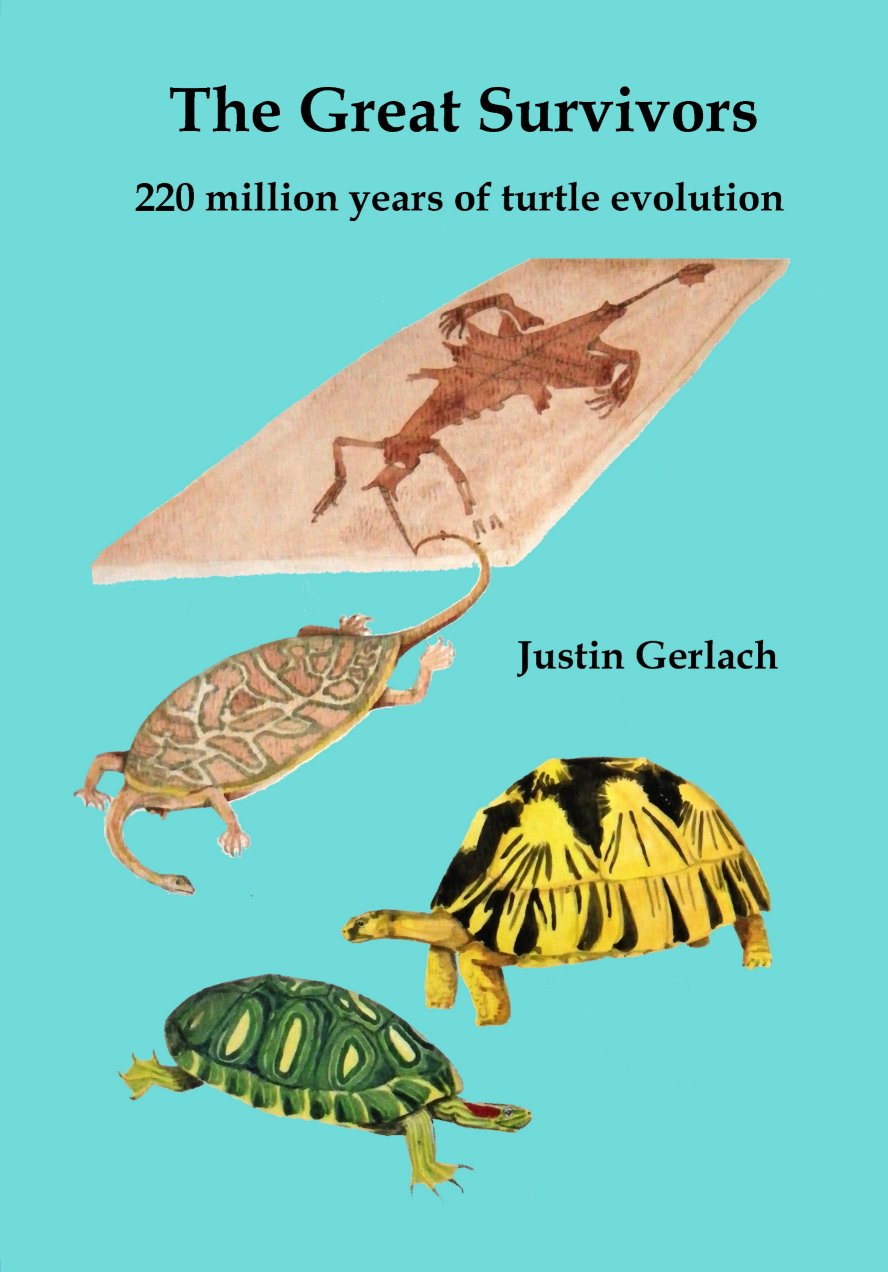
The Great Survivors
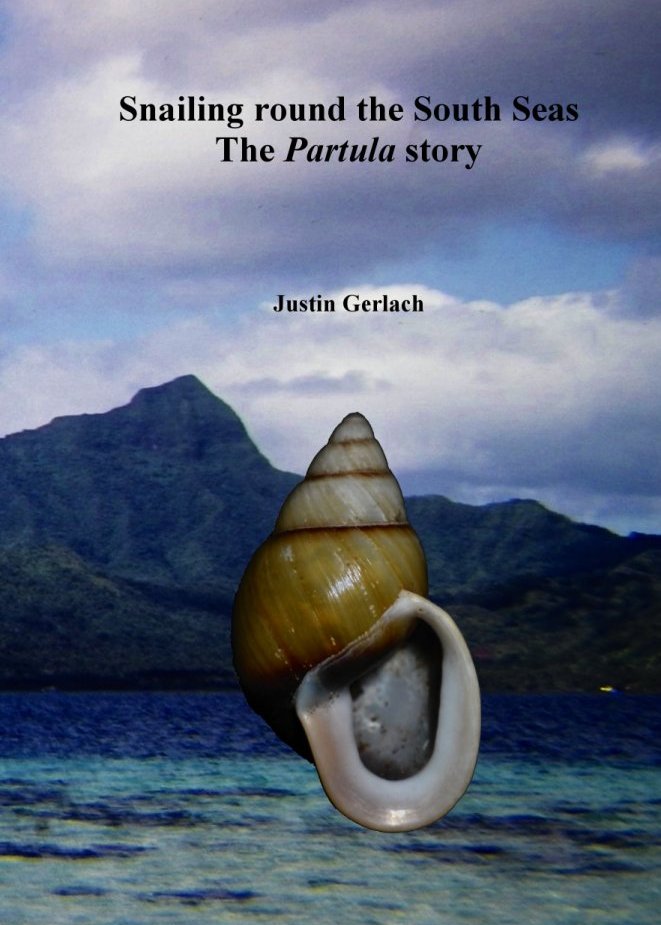
Snailing round the South Seas - the Partula story

Land and freshwater snails of Tahiti

Partula - icons of evolution
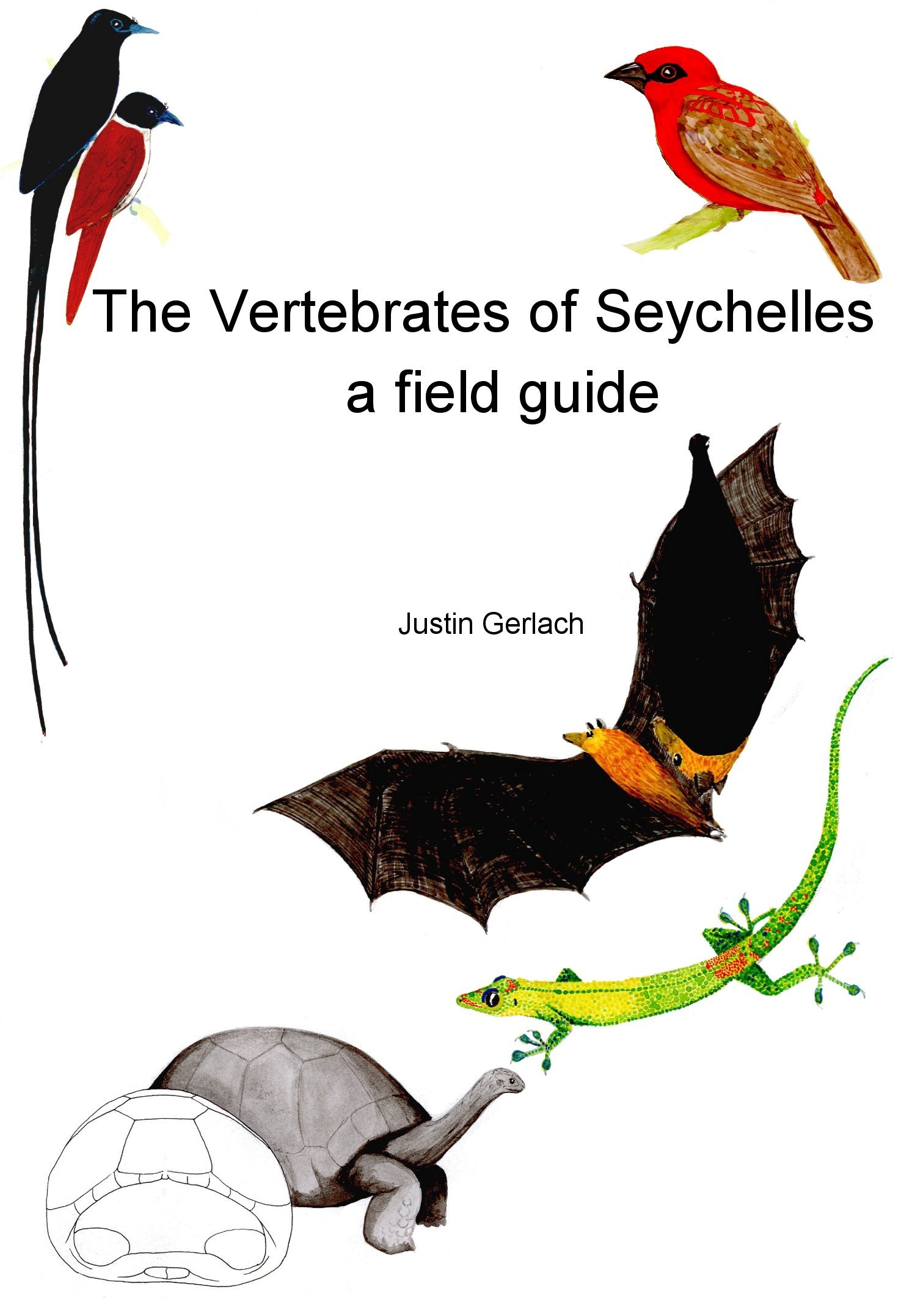
Vertebrates of Seychelles
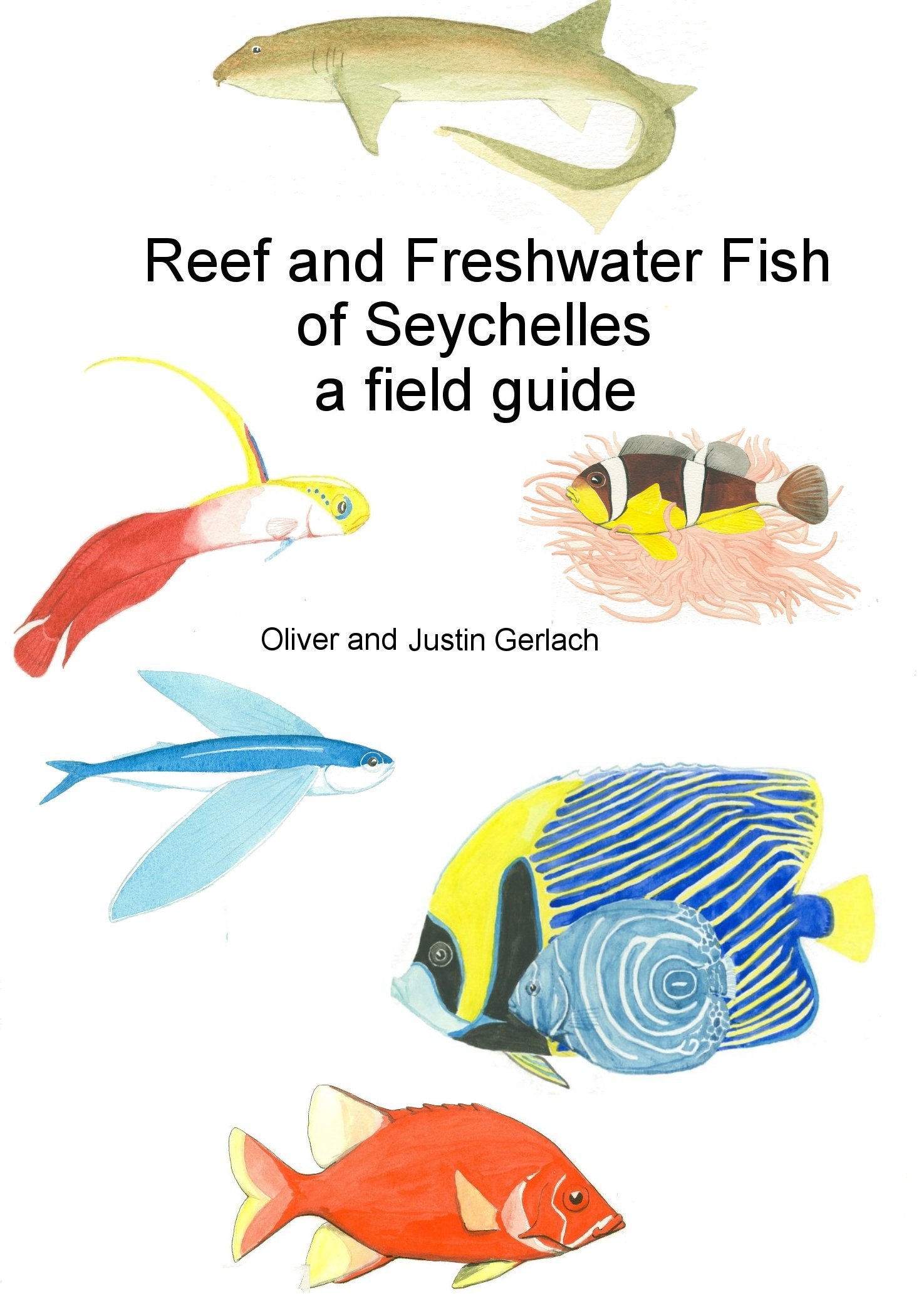
Reef and Freshwater Fish of the Seychelles Islands

Darwin's Inextricable Web

Extinct animals of the British Isles

In the footprints of the first naturalist explorers
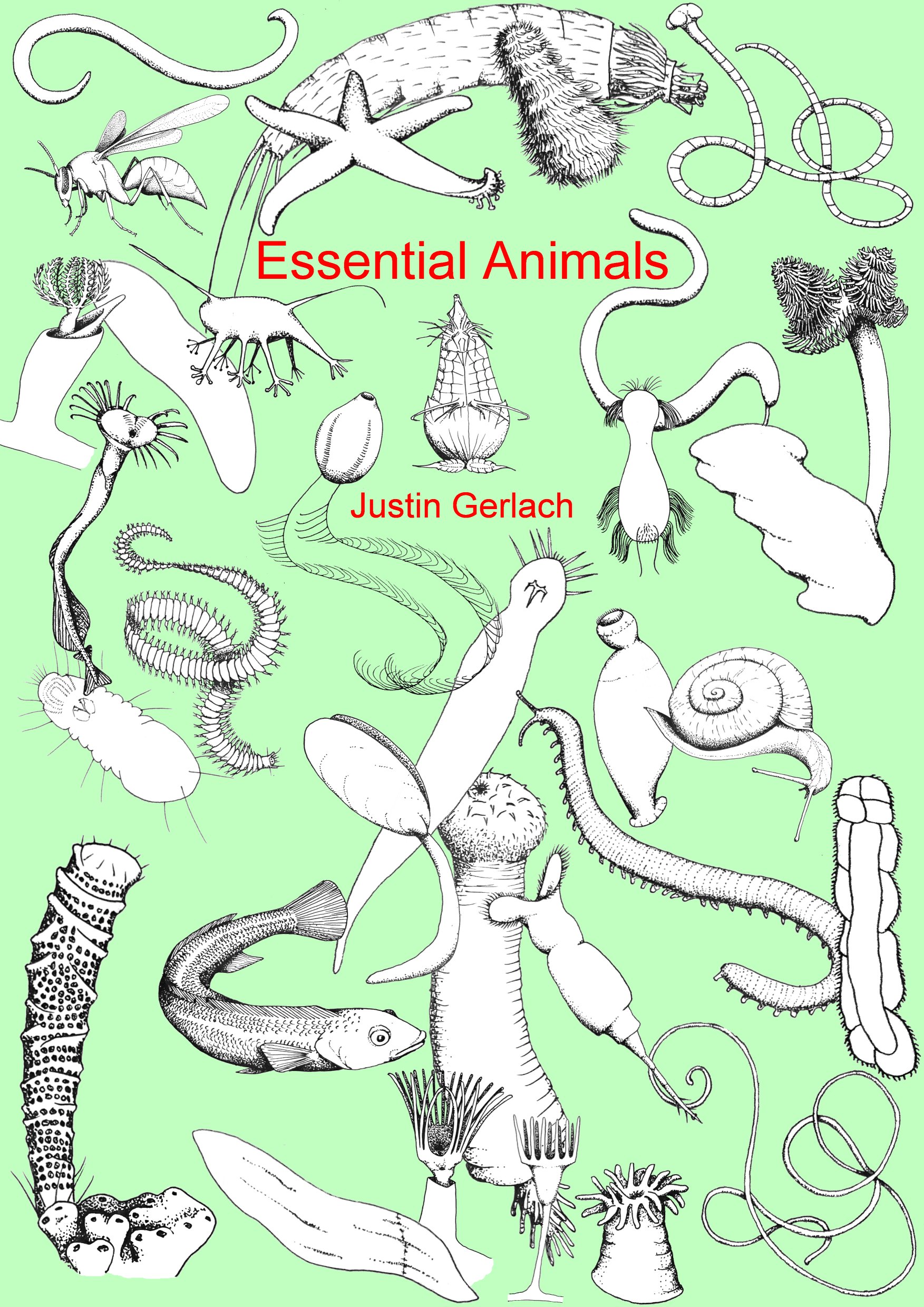
Essential Animals
Contact